fishing net
Are you interested in learning more about fishing net. Fishing nets have been used for centuries as a means to catch fish and other aquatic creatures. From trawling to drift netting, there are various types of fishing nets and methods employed by fishermen around the world. In this article, we will delve into the intricacies of these different techniques, exploring their advantages, disadvantages, and environmental impacts. 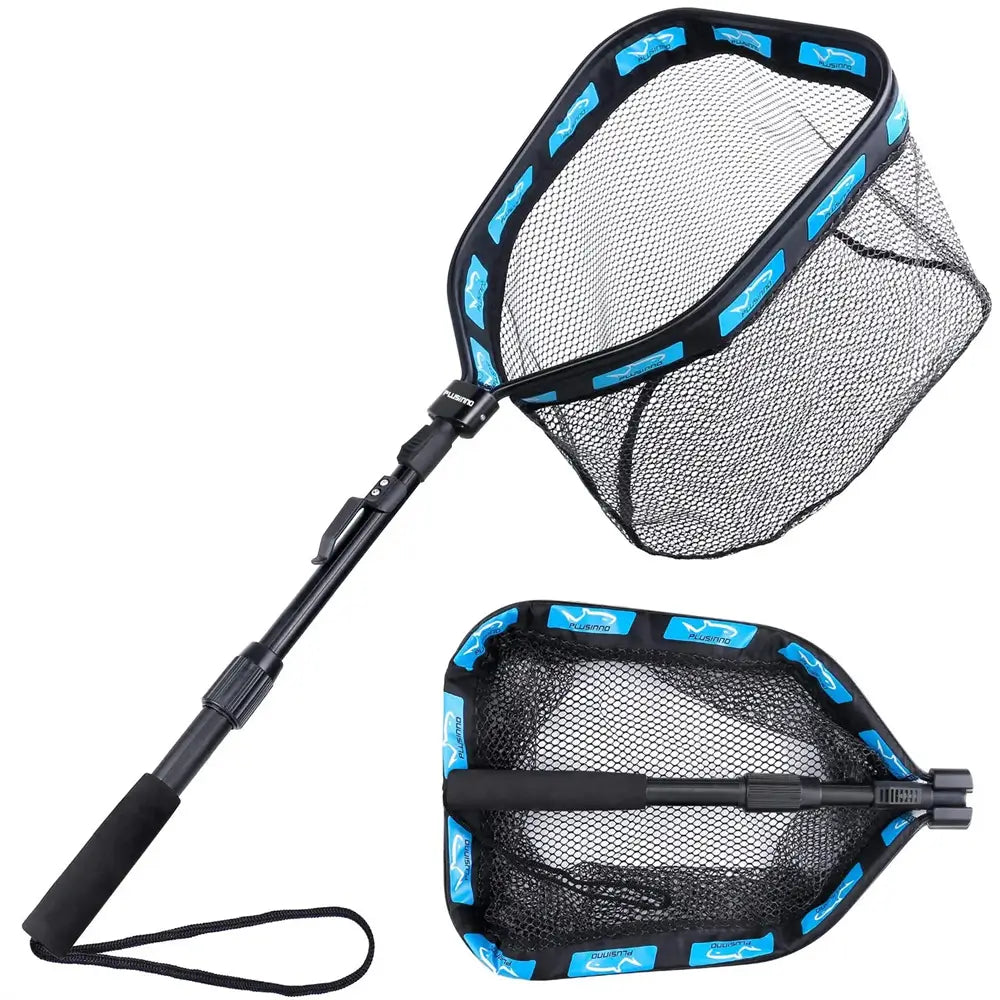
The Art of Trawling
Trawling is a widely used fishing method that involves dragging a net through the water to catch fish. This method can be employed in both shallow and deep waters, and it is particularly effective for catching bottom-dwelling species such as cod and haddock. Trawling nets are typically large and cone-shaped, with a wide opening at the mouth and a narrow end where the catch is collected.
One of the main advantages of trawling is its efficiency in catching large quantities of fish. However, this method is not without its drawbacks. Trawling can cause significant damage to the seafloor and result in bycatch, which refers to the unintentional capture of non-target species. To mitigate these issues, some fishermen have adopted more sustainable practices, such as using selective trawling nets that allow smaller fish to escape.
Drift Netting: A Different Approach
Drift netting is another popular fishing method that involves suspending a net in the water to catch fish as they swim by. Unlike trawling, which involves actively dragging the net, drift netting relies on the natural movement of the water to entangle the fish. This method is commonly used for catching species like salmon and tuna.
Drift nets can be several miles long and are typically made of nylon or other synthetic materials. While drift netting can be an effective way to catch fish, it has been widely criticized for its negative impact on marine ecosystems. The indiscriminate nature of drift nets often leads to high levels of bycatch, including endangered species like sea turtles and dolphins. As a result, many countries have implemented regulations to limit the use of drift nets or ban them altogether.
The Rise of Sustainable Fishing Nets
In recent years, there has been a growing awareness of the need for sustainable fishing practices. This has led to the development of innovative fishing nets that aim to minimize environmental impact and reduce bycatch. For example, some fishermen now use escape panels or grids in their nets to allow smaller fish to escape, ensuring the sustainability of fish stocks.
Another promising development is the use of biodegradable fishing nets. These nets are made from materials that break down over time, reducing the amount of plastic waste in the oceans. By adopting these sustainable fishing nets and methods, fishermen can help protect marine ecosystems and ensure the long-term viability of their livelihoods.
Conclusion
From trawling to drift netting, there are various fishing nets and methods employed by fishermen worldwide. While these techniques have their advantages, it is crucial to consider their environmental impact and strive for more sustainable practices. By adopting innovative fishing nets and methods, fishermen can help preserve marine ecosystems and ensure the future of their industry. References
References:
|



