5 Axis Milling
5 axis milling has revolutionized the manufacturing industry, offering unparalleled precision and efficiency in the production of complex parts and components. As manufacturing operations continue to evolve, it is crucial to understand the key considerations for implementing 5 axis milling to maximize its benefits and ensure seamless integration into existing processes. 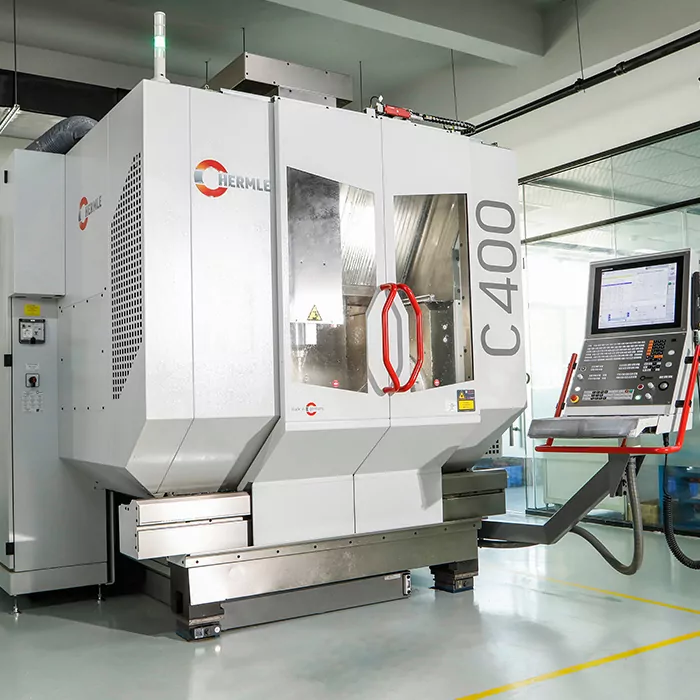
Machine Capability and Flexibility
One of the primary considerations for implementing 5 axis milling in manufacturing operations is the machine's capability and flexibility. The ability to manipulate the cutting tool along five axes enables the production of intricate geometries and contours that would be unachievable with traditional 3 axis machining. This capability opens up new possibilities for manufacturing complex components with reduced setups and increased accuracy.
Toolpath Optimization and Programming
Another crucial aspect of implementing 5 axis milling is toolpath optimization and programming. The complexity of 5 axis machining requires advanced programming techniques to generate efficient toolpaths that minimize tool and machine interference. Utilizing the full range of motion offered by 5 axis milling demands a deep understanding of programming strategies and toolpath optimization to maximize productivity and surface finish quality.
Workholding and Fixturing
Workholding and fixturing play a vital role in the successful implementation of 5 axis milling. The ability to secure and position the workpiece accurately is essential for achieving consistent and precise results. Advanced workholding solutions, such as custom fixtures and modular clamping systems, are often required to accommodate the complex geometries and multiple part orientations enabled by 5 axis machining.
Operator Training and Skill Development
Implementing 5 axis milling in manufacturing operations necessitates a focus on operator training and skill development. The transition from traditional machining processes to 5 axis milling requires a thorough understanding of machine capabilities, programming principles, and toolpath optimization. Investing in comprehensive training programs and skill development initiatives is crucial to harness the full potential of 5 axis machining and ensure operational proficiency.
In conclusion, the implementation of 5 axis milling in manufacturing operations offers a myriad of benefits, including enhanced precision, reduced setup times, and increased productivity. By carefully considering machine capability, toolpath optimization, workholding solutions, and operator training, manufacturers can effectively integrate 5 axis milling into their processes and unlock new opportunities for producing complex components with unparalleled efficiency and accuracy. References
|



