Gravity Filters for Water
Let's look at the key words in this article gravity filters for water. Water is a vital resource for all living beings, and ensuring its purity is of utmost importance. One effective method of water filtration is through the use of gravity filters. In this article, we will delve into the inner workings of gravity filters and explore their significance in providing clean and safe drinking water. 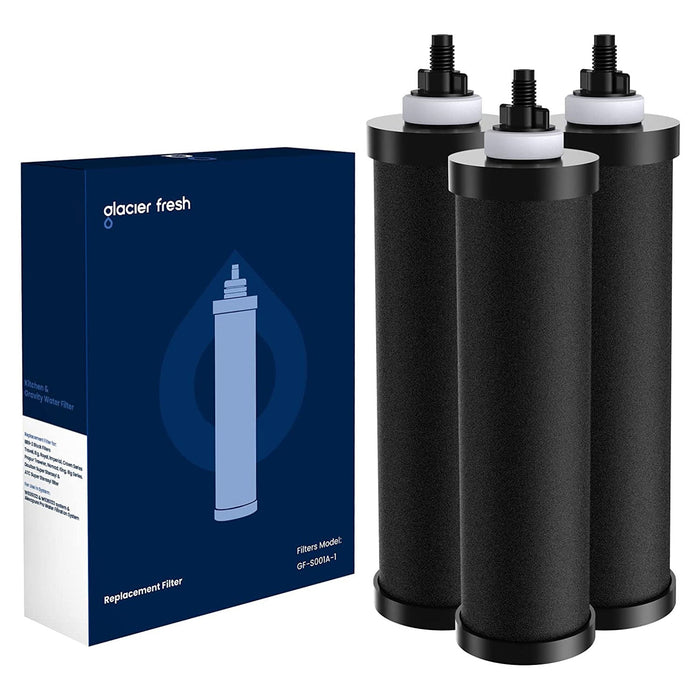
The Basics of Gravity Filters
Gravity filters, also known as slow sand filters, are a type of water filtration system that relies on the force of gravity to remove impurities from water. These filters are widely used in both residential and industrial settings due to their simplicity and effectiveness.
At the heart of a gravity filter is a bed of fine sand or other granular media. As water passes through this bed, the sand acts as a physical barrier, trapping suspended particles, bacteria, and other contaminants. The force of gravity pulls the water downward, allowing it to slowly percolate through the filter media.
The Filtration Process
When water enters a gravity filter, it first encounters a layer of coarse gravel or rocks. This layer serves as a preliminary filter, removing larger debris and preventing clogging of the finer filter media. The water then flows through the sand bed, where the majority of the filtration occurs.
As the water moves through the sand, several mechanisms come into play to remove impurities. Physical straining occurs when particles larger than the pore spaces between the sand grains are unable to pass through. Adsorption takes place when contaminants adhere to the surface of the sand particles. Biological processes also contribute to filtration, as microorganisms present in the sand consume organic matter and pathogens.
It is important to note that gravity filters require periodic maintenance to ensure their optimal performance. Over time, the filter media can become clogged with trapped particles, reducing its effectiveness. Regular backwashing or cleaning of the filter bed is necessary to remove accumulated debris and restore the filter's efficiency.
The Advantages of Gravity Filters
Gravity filters offer several advantages that make them a popular choice for water filtration:
- Cost-effective: Gravity filters are relatively inexpensive to install and maintain compared to other filtration methods.
- Energy-efficient: These filters operate solely on the force of gravity, requiring no external power source.
- Long-lasting: With proper maintenance, gravity filters can have a long lifespan, providing reliable filtration for many years.
- Environmentally friendly: Gravity filters produce no chemical waste or byproducts, making them an eco-friendly option.
Conclusion
Gravity filters are a fundamental and essential water filtration method that plays a crucial role in ensuring access to clean and safe drinking water. By harnessing the power of gravity, these filters effectively remove impurities and provide a reliable source of purified water.
For more information on gravity filters and water filtration, please visit the following credible sources: References
|



