Guest
Guest
Apr 12, 2024
7:14 PM

|
Bluetooth Streaming Hearing Aids
In this article, we'll explore the many facets of it, including its history, current state, and potential future bluetooth streaming hearing aids. Advancements in technology have significantly impacted the hearing aid industry, with Bluetooth streaming playing a pivotal role in revolutionizing the way individuals with hearing loss experience the world around them. This article delves into the transformative effects of Bluetooth streaming on hearing aids, exploring the benefits, challenges, and future prospects of this groundbreaking innovation. 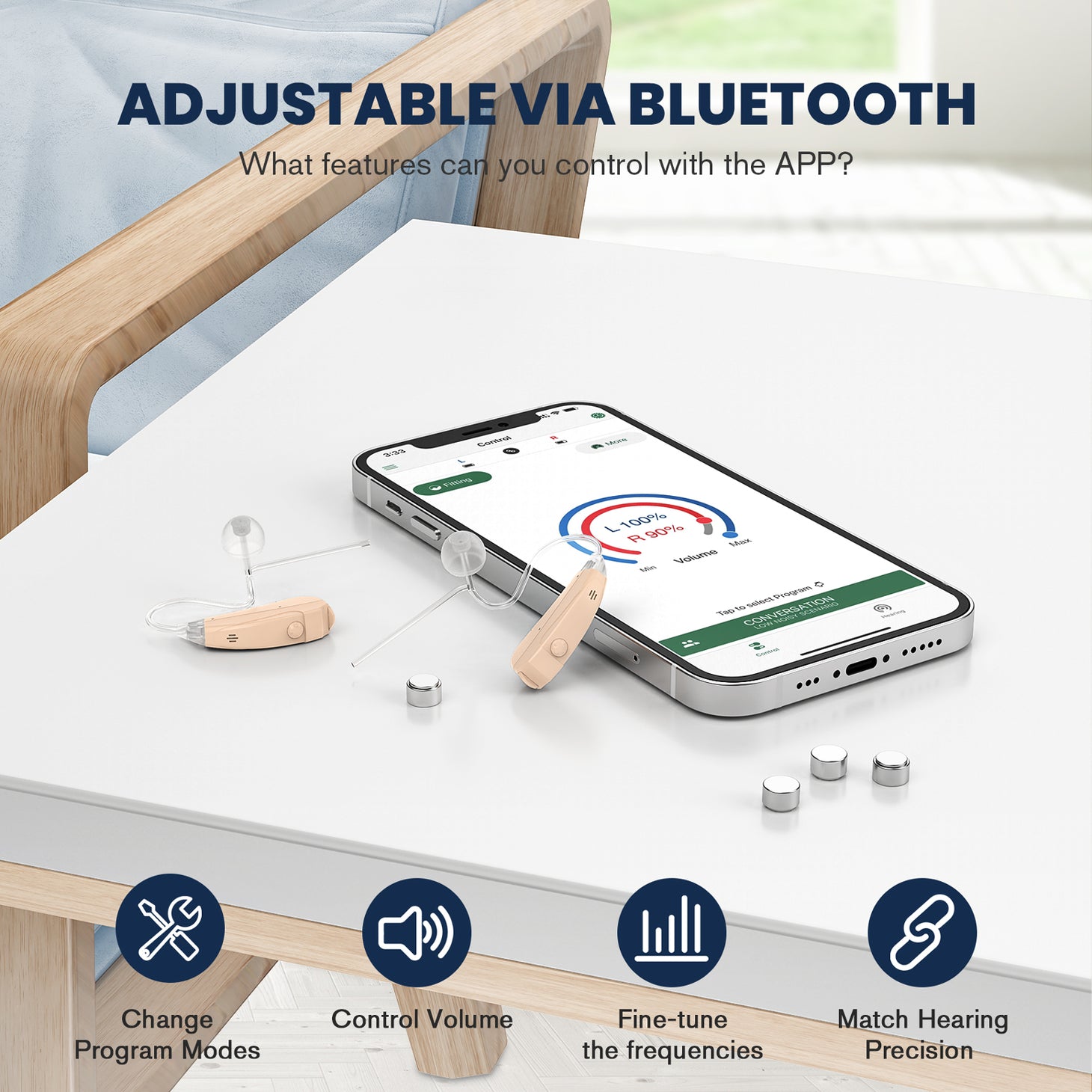
The Evolution of Hearing Aid Technology
Hearing aids have come a long way from their bulky, analog predecessors to sleek, digital devices that offer a wide range of features. The integration of Bluetooth streaming technology has been a game-changer, allowing users to wirelessly connect their hearing aids to various audio sources such as smartphones, televisions, and music players. This seamless connectivity has empowered individuals with hearing loss to engage in conversations, enjoy entertainment, and communicate effectively in diverse environments.
Enhanced Connectivity and Accessibility
One of the most significant advantages of Bluetooth streaming in hearing aids is the enhanced connectivity it provides. Users can effortlessly pair their hearing aids with compatible devices, enabling them to stream high-quality audio directly to their ears. This level of accessibility has transformed the way individuals with hearing loss interact with the world, eliminating the need for cumbersome wires and additional accessories. Whether attending a business meeting, watching a movie, or participating in a phone call, Bluetooth streaming has made these activities more inclusive and enjoyable for hearing aid users.
Challenges and Opportunities
While Bluetooth streaming has undoubtedly revolutionized the hearing aid industry, it has also presented certain challenges. The complexity of pairing devices, compatibility issues, and battery consumption are some of the obstacles that manufacturers and users have had to address. However, these challenges have paved the way for innovation, leading to the development of more user-friendly interfaces, improved battery life, and enhanced compatibility across various platforms. As the technology continues to evolve, the opportunities for further advancements in Bluetooth streaming within the hearing aid industry are vast, promising even greater accessibility and functionality for users.
The Future of Bluetooth Streaming in Hearing Aids
Looking ahead, the future of Bluetooth streaming in hearing aids holds immense promise. With ongoing research and development, we can anticipate even more seamless integration of this technology into a wider array of devices and applications. Furthermore, the potential for incorporating artificial intelligence and machine learning algorithms to optimize sound processing and customization for individual users is an exciting prospect. As the demand for smart, connected devices grows, Bluetooth streaming is poised to play a central role in shaping the next generation of hearing aids, ultimately enhancing the quality of life for individuals with hearing loss. References
|