Guest
Guest
Apr 16, 2024
8:00 PM

|
Non Conductive Wedding Rings
While it may seem like a straightforward concept, there is much more to it than meets the eye non conductive wedding rings. When it comes to high-risk industries such as construction, manufacturing, and electrical work, safety is paramount. One often overlooked safety concern in these industries is the potential hazards posed by traditional metal wedding rings. In recent years, there has been a growing trend towards the use of non-conductive wedding rings to mitigate the risks associated with wearing metal bands in high-risk work environments. 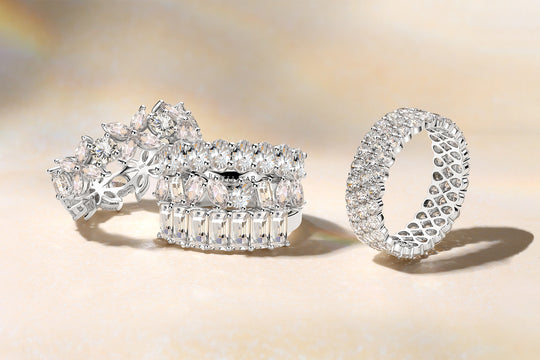
The Hazards of Metal Wedding Rings
Metal wedding rings, while sentimental and symbolic, can pose serious risks in high-risk industries. The conductive nature of metals means that wearing a traditional wedding ring can create a pathway for electrical current to flow through the body in the event of an electrical accident. This can result in severe burns, electrical shock, or even death. Additionally, metal rings can get caught in machinery, leading to serious injuries or amputations. These risks have led many workers in high-risk industries to seek out alternative options for their wedding bands.
The Rise of Non Conductive Wedding Rings
Enter non-conductive wedding rings. These innovative bands are made from materials that do not conduct electricity, such as silicone, rubber, or certain types of ceramics. Non-conductive wedding rings provide a safe and practical alternative for individuals working in high-risk industries. They eliminate the risk of electrical conductivity and are designed to break away easily if caught on machinery, reducing the likelihood of serious injury.
Benefits of Non Conductive Wedding Rings
Non-conductive wedding rings offer a range of benefits for individuals working in high-risk industries. In addition to their safety features, these rings are often more comfortable to wear for long hours and are resistant to chemicals and extreme temperatures. They are also versatile in design, coming in a variety of colors and styles to suit individual preferences. Furthermore, non-conductive wedding rings are often more affordable than traditional metal bands, making them an attractive option for couples looking to prioritize safety without breaking the bank.
Changing the Wedding Industry
The rise of non-conductive wedding rings is not only impacting high-risk industries, but also the wedding industry as a whole. Couples are increasingly prioritizing safety and practicality when choosing their wedding bands, leading to a shift in the market towards non-conductive options. Jewelers and manufacturers are now offering a wider selection of non-conductive wedding rings, catering to the growing demand from individuals in high-risk professions. This shift reflects a broader cultural awareness of the importance of safety in all aspects of life, including the sentimental symbol of a wedding ring.
Looking to the Future
As the use of non-conductive wedding rings continues to rise, it is likely that we will see further innovation in this space. Advancements in materials and design will lead to even safer and more stylish options for individuals in high-risk industries. Additionally, the trend towards non-conductive wedding rings may inspire other safety-focused innovations in the wedding industry, further emphasizing the importance of safety in all aspects of our lives. References
|


