Guest
Guest
Jul 01, 2024
4:58 AM

|
Microinverter Technology for Solar Energy
When it comes to harnessing solar energy, microinverter technology has emerged as a game-changer in the industry. This innovative approach to solar power systems offers a wide array of benefits that are revolutionizing the way we think about renewable energy. In this article, we will delve into the advantages of microinverter technology for solar energy and explore how it is shaping the future of the industry. 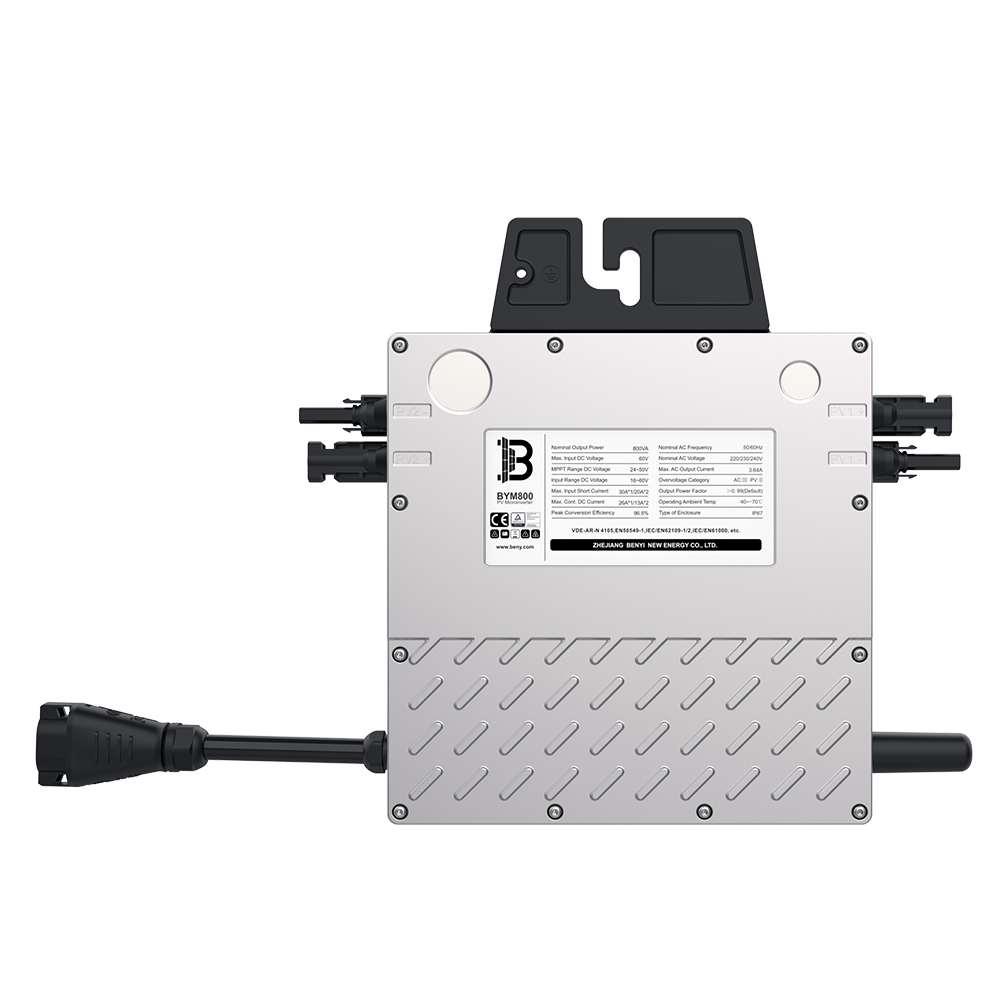
Enhanced Energy Harvesting
One of the key advantages of microinverter technology is its ability to enhance energy harvesting. Unlike traditional string inverter systems, microinverters are installed on each individual solar panel, allowing for maximum power point tracking (MPPT) at the module level. This means that each panel operates at its optimal efficiency, regardless of shading or soiling on other panels. As a result, microinverters can significantly increase the overall energy production of a solar array, especially in challenging environmental conditions.
Improved System Monitoring and Maintenance
Another advantage of microinverter technology is the improved system monitoring and maintenance capabilities it offers. With microinverters, each solar panel operates independently, allowing for detailed performance monitoring of the entire system. This level of granularity enables early detection of any issues or malfunctions, making maintenance more efficient and cost-effective. Additionally, the ability to pinpoint underperforming panels with precision ensures that the system operates at its peak performance over its lifetime.
Enhanced Safety and Durability
Microinverter technology also brings enhanced safety and durability to solar energy systems. Unlike traditional string inverters, microinverters operate at low DC voltages, reducing the risk of electrical hazards during installation and maintenance. Furthermore, the modular nature of microinverter systems means that the failure of one unit does not affect the operation of the entire system, enhancing overall system reliability. This increased resilience to potential failures makes microinverter technology a compelling choice for both residential and commercial solar installations.
Flexibility and Scalability
Finally, microinverter technology offers unmatched flexibility and scalability in solar energy systems. The modular design of microinverters allows for easy system expansion, making it simple to add more panels as energy needs grow. This scalability is particularly advantageous for residential installations, where homeowners may want to increase their solar capacity over time. Additionally, the flexibility of microinverter systems enables the integration of different panel types and orientations, providing greater design freedom for installers and maximizing energy production in diverse settings.
In conclusion, the advantages of microinverter technology for solar energy are clear and compelling. From enhanced energy harvesting and improved system monitoring to enhanced safety and flexibility, microinverters are transforming the way we harness solar power. As the renewable energy industry continues to evolve, microinverter technology is poised to play a pivotal role in driving the widespread adoption of solar energy around the world. References
|


