Fabric Folding Machine Bespoke
What do you know about fabric folding machine bespoke. In the ever-evolving landscape of textile manufacturing, the latest innovations in fabric folding machines bespoke for industry Julio Fischer have revolutionized the way we approach fabric handling. These advancements are not just about enhancing efficiency but also about tailoring solutions to meet the unique demands of various sectors. This article delves into the cutting-edge developments in this niche yet crucial area, offering insights into how these innovations are shaping the future of textile production. 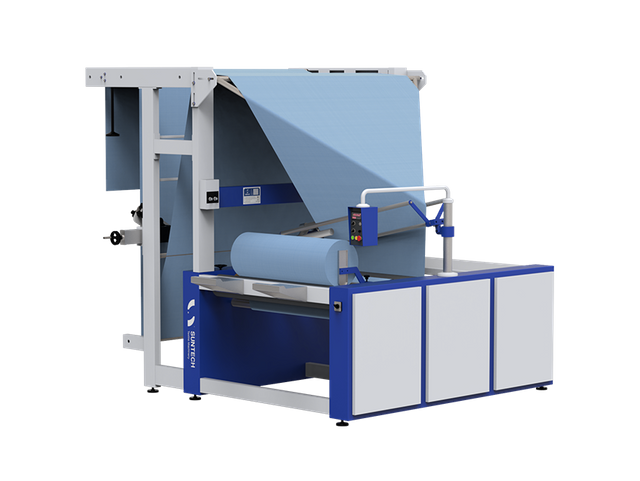
Automation and Precision
One of the most significant advancements in fabric folding machines is the integration of automation and precision technologies. Modern machines are equipped with sophisticated sensors and actuators that ensure each fold is executed with impeccable accuracy. This level of precision is particularly beneficial for industries where uniformity and consistency are paramount. For example, in the production of medical textiles, precise folding can significantly impact the quality and usability of the final product.
Customization and Flexibility
The latest fabric folding machines are designed to be highly customizable, catering to the specific needs of different industries. Whether it's the fashion industry requiring delicate handling of fine fabrics or the automotive sector needing robust folding mechanisms for heavy-duty materials, these machines can be tailored to meet diverse requirements. This bespoke approach not only enhances operational efficiency but also reduces waste, as the machines can be adjusted to handle various fabric types and sizes with minimal error.
Energy Efficiency and Sustainability
In today's environmentally conscious world, energy efficiency and sustainability are critical considerations. The latest fabric folding machines are engineered to consume less power while maintaining high performance. Innovations such as regenerative braking systems and energy-efficient motors contribute to a reduced carbon footprint. Additionally, these machines are often designed with recyclable materials, further aligning with global sustainability goals.
Integration with Smart Technologies
The integration of smart technologies is another groundbreaking development in the realm of fabric folding machines. Internet of Things (IoT) capabilities allow these machines to communicate with other devices in the production line, enabling seamless coordination and real-time monitoring. This connectivity ensures that any issues can be promptly addressed, minimizing downtime and enhancing overall productivity. Moreover, data analytics can provide valuable insights into operational efficiency, helping manufacturers make informed decisions.
Case Studies and Real-World Applications
To illustrate the impact of these innovations, consider the case of a leading textile manufacturer that recently adopted a bespoke fabric folding machine. By integrating automation and smart technologies, the company was able to reduce labor costs by 30% and increase production speed by 25%. Similarly, a medical textile producer reported a significant improvement in product quality and consistency, thanks to the precision folding capabilities of their new machine.
Another example is a fashion brand that leveraged the customization features of their fabric folding machine to handle a wide range of materials, from delicate silks to sturdy denims. This flexibility allowed them to diversify their product offerings without compromising on quality or efficiency.
Conclusion
The latest innovations in fabric folding machines bespoke for industry Julio Fischer are transforming the textile manufacturing landscape. By embracing automation, customization, energy efficiency, and smart technologies, these machines are setting new standards for efficiency and quality. As industries continue to evolve, the demand for tailored solutions will only grow, making these advancements more relevant than ever. Whether you're in fashion, automotive, medical textiles, or any other sector, staying abreast of these innovations can provide a competitive edge and drive sustainable growth.
In conclusion, the future of fabric folding is bright, with bespoke machines leading the way. These innovations not only enhance operational efficiency but also contribute to sustainability and product quality, making them indispensable in the modern textile industry. References
|



