Data Plan for Security Camera
From its origins to its current state, it has undergone many significant changes data plan for security camera. When it comes to safeguarding your property, security cameras play a crucial role in deterring potential threats and providing valuable evidence in case of any untoward incidents. However, simply installing security cameras is not enough. It is equally important to implement a robust data plan to ensure the protection of your security cameras and the data they capture. 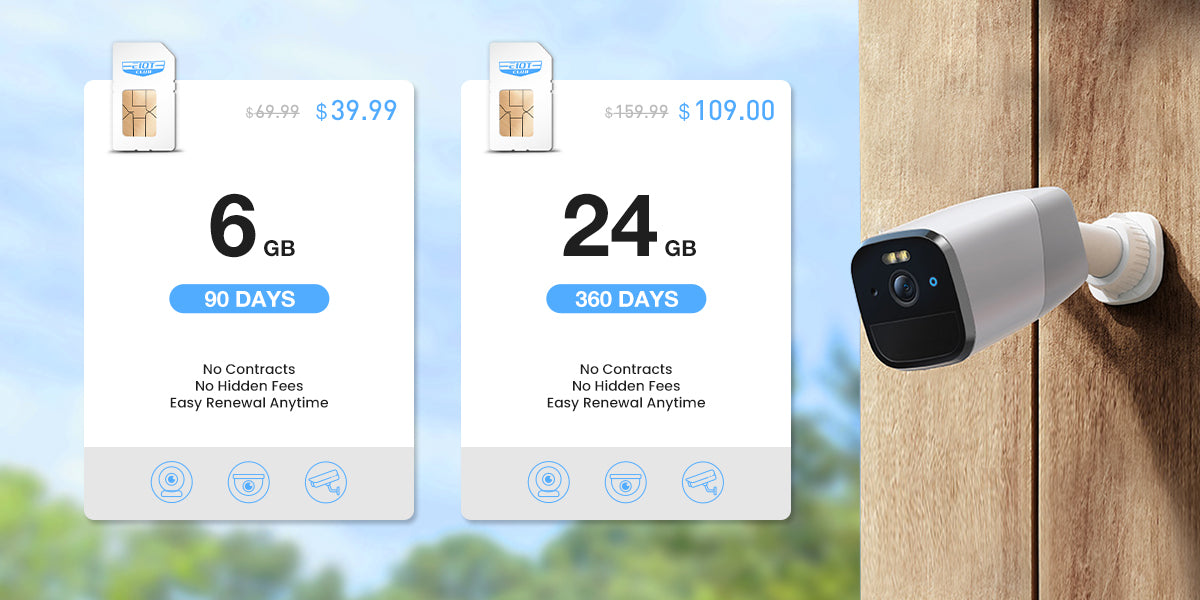
The Importance of Data Plan for Security Cameras
Implementing a data plan for your security cameras is essential for ensuring the security and integrity of the footage they capture. A data plan encompasses various measures and protocols aimed at protecting the data stored by the security cameras, as well as the cameras themselves, from unauthorized access, tampering, or damage.
Key Components of a Data Plan for Security Cameras
There are several key components that constitute an effective data plan for security cameras. These include:
Encryption and Data Security
Utilizing encryption techniques to secure the data transmitted and stored by security cameras is crucial in preventing unauthorized access. Implementing strong encryption protocols ensures that the footage captured by the cameras remains protected from potential breaches.
Regular Data Backups
Regularly backing up the data captured by security cameras is essential for safeguarding against data loss due to hardware failure, theft, or vandalism. Storing backups in secure off-site locations further enhances the security of the footage.
Access Control and Monitoring
Implementing strict access control measures and monitoring the access to security camera footage helps prevent unauthorized viewing or tampering. By restricting access to authorized personnel and maintaining a log of access activities, the security of the data is significantly enhanced.
Physical Security Measures
Implementing physical security measures such as tamper-resistant enclosures, secure mounting, and protection against environmental factors is essential for safeguarding the security cameras themselves. Protecting the physical integrity of the cameras ensures uninterrupted surveillance and data capture.
Implementing a Comprehensive Data Plan
When implementing a data plan for security cameras, it is important to consider the specific requirements and vulnerabilities of the surveillance system. Conducting a thorough risk assessment and identifying potential security gaps enables the development of a comprehensive data plan tailored to the unique needs of the security cameras and the environment they operate in.
Furthermore, regular testing and evaluation of the data plan is essential to ensure its effectiveness and adaptability to evolving security threats. By staying proactive and responsive to potential risks, the security of the cameras and the data they capture can be effectively safeguarded.
Conclusion
In conclusion, safeguarding your security cameras through the implementation of a robust data plan is essential for ensuring the protection and integrity of the footage they capture. By incorporating encryption, regular backups, access control, and physical security measures, the security of the cameras and the data they capture can be significantly enhanced. Implementing a comprehensive data plan tailored to the specific requirements of the surveillance system is crucial for mitigating potential security risks and maintaining the effectiveness of the security cameras. References
|



