Guest
Guest
Jul 18, 2024
3:34 AM

|
The Ultimate Guide to ABS 3D Printing Material in the Industry
Are you familiar with the latest research on abs 3d printing material. ABS, or Acrylonitrile Butadiene Styrene, is one of the most widely used materials in the 3D printing industry. Known for its durability, flexibility, and resistance to high temperatures, ABS is a preferred choice for many professionals and hobbyists alike. 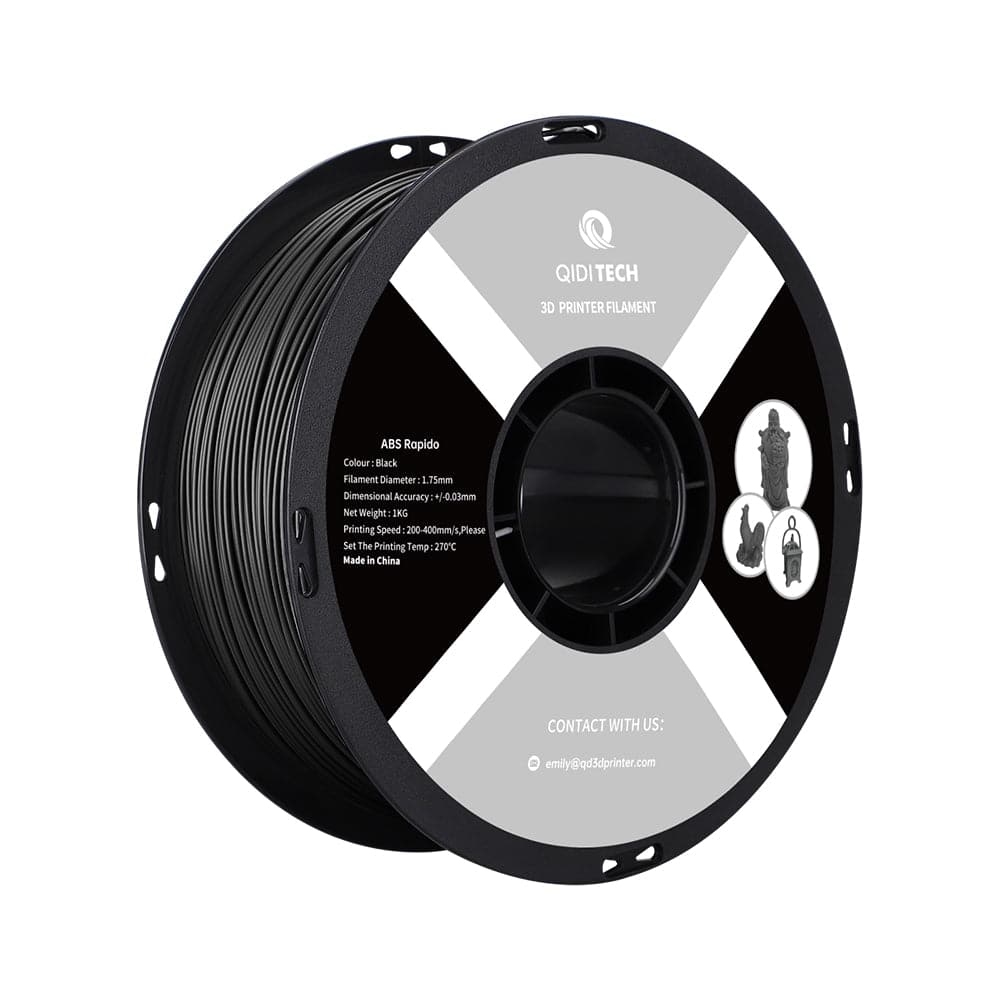
What is ABS 3D Printing Material?
ABS is a thermoplastic polymer that is commonly used in injection molding and 3D printing. It is composed of three monomers: acrylonitrile, butadiene, and styrene. These components give ABS its unique properties, making it an ideal material for various applications.
“ABS is renowned for its strength and ability to withstand high temperatures, making it a top choice for functional prototypes and end-use parts.”
Advantages of Using ABS in 3D Printing
- Durability: ABS is known for its toughness and impact resistance, which makes it suitable for creating robust parts.
- Heat Resistance: ABS can withstand higher temperatures compared to other 3D printing materials, making it ideal for parts that need to endure heat.
- Flexibility: The material's flexibility allows for the creation of parts that can bend without breaking.
- Surface Finish: ABS can be easily sanded and smoothed, providing a high-quality finish for printed parts.
Challenges of ABS 3D Printing Material
While ABS has many advantages, it also comes with some challenges. One of the main issues is its tendency to warp during printing. This can be mitigated by using a heated bed and an enclosed printing environment. Additionally, ABS emits fumes when heated, so proper ventilation is essential.
Applications of ABS in the Industry
ABS is used in a wide range of industries due to its versatile properties. Some common applications include:
- Automotive Parts: ABS is used to create durable and heat-resistant components for vehicles.
- Consumer Goods: Many household items, such as toys and electronic housings, are made from ABS.
- Prototyping: Engineers and designers use ABS to create functional prototypes that can be tested and refined.
ABS Filament for 3D Printing
When it comes to 3D printing, ABS filament is a popular choice. It is available in various colors and diameters, allowing for a wide range of creative possibilities. For instance, the ABS Filament 1.75mm offers excellent print quality and consistency.

Tips for Successful ABS 3D Printing
To achieve the best results with ABS, consider the following tips:
- Use a Heated Bed: A heated bed helps prevent warping and ensures better adhesion.
- Enclose Your Printer: An enclosed printing environment maintains a stable temperature, reducing the risk of warping.
- Ventilation: Ensure proper ventilation to avoid inhaling fumes emitted during printing.
For a visual guide on ABS 3D printing, check out this video tutorial.
Conclusion
ABS 3D printing material offers numerous benefits, making it a staple in the industry. Its durability, heat resistance, and flexibility make it suitable for a wide range of applications. By understanding its properties and challenges, you can make the most of ABS in your 3D printing projects.
For more information on ABS and other 3D printing materials, visit our blog. References
|


