Guest
Guest
Jul 21, 2024
4:36 PM

|
Wharncliffe Blade
Are you familiar with the latest research on wharncliffe blade. When it comes to industrial cutting tools, the art of crafting high-quality Wharncliffe blades is a crucial aspect of ensuring efficiency, precision, and durability. These blades are widely used in various industrial applications, including manufacturing, construction, and woodworking. In this article, we will delve into the intricate process of crafting these blades, exploring the techniques, materials, and expertise required to produce top-notch Wharncliffe blades for industrial use. 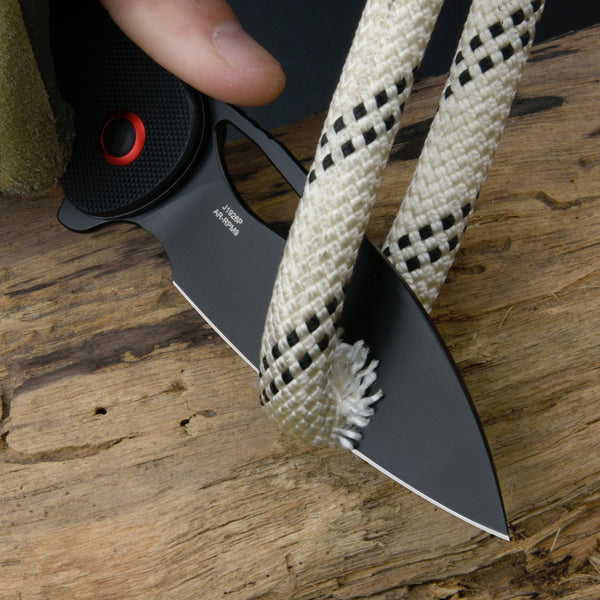
The History of Wharncliffe Blades
The history of Wharncliffe blades dates back to the 19th century, originating in England. These blades are characterized by their straight edge and flat cutting profile, making them ideal for tasks that require controlled, precise cuts. Originally used as pocket knives, Wharncliffe blades have evolved to become essential tools in industrial settings, where their unique design offers distinct advantages.
The Art of Blade Design
Crafting high-quality Wharncliffe blades requires a deep understanding of blade design principles. The shape, thickness, and edge geometry of the blade play a critical role in determining its cutting performance and durability. Expert blade designers meticulously analyze the intended application of the blade and the specific requirements of industrial users to create designs that optimize cutting efficiency and longevity.
Materials and Manufacturing Techniques
The choice of materials for crafting Wharncliffe blades is a pivotal factor in determining their quality and performance. High-grade stainless steel, carbon steel, and alloy steel are commonly used due to their excellent strength, hardness, and corrosion resistance. Precision manufacturing techniques, such as CNC machining and laser cutting, are employed to ensure the blades are crafted with utmost accuracy and consistency, meeting the stringent standards of industrial use.
The Importance of Quality Control
Ensuring the quality of Wharncliffe blades for industrial use involves rigorous quality control measures at every stage of the manufacturing process. From material inspection and blade forging to heat treatment and final finishing, meticulous attention to detail is essential to eliminate any defects or imperfections that could compromise the performance of the blades. Quality control protocols are implemented to verify dimensional accuracy, hardness, and structural integrity, guaranteeing that each blade meets the highest standards of quality and reliability.
In conclusion, the art of crafting high-quality Wharncliffe blades for industrial use is a multifaceted process that demands expertise, precision, and a commitment to excellence. By understanding the history, design principles, materials, manufacturing techniques, and quality control aspects of Wharncliffe blades, industrial users can gain a deeper appreciation for the craftsmanship and engineering behind these essential cutting tools. References
|


