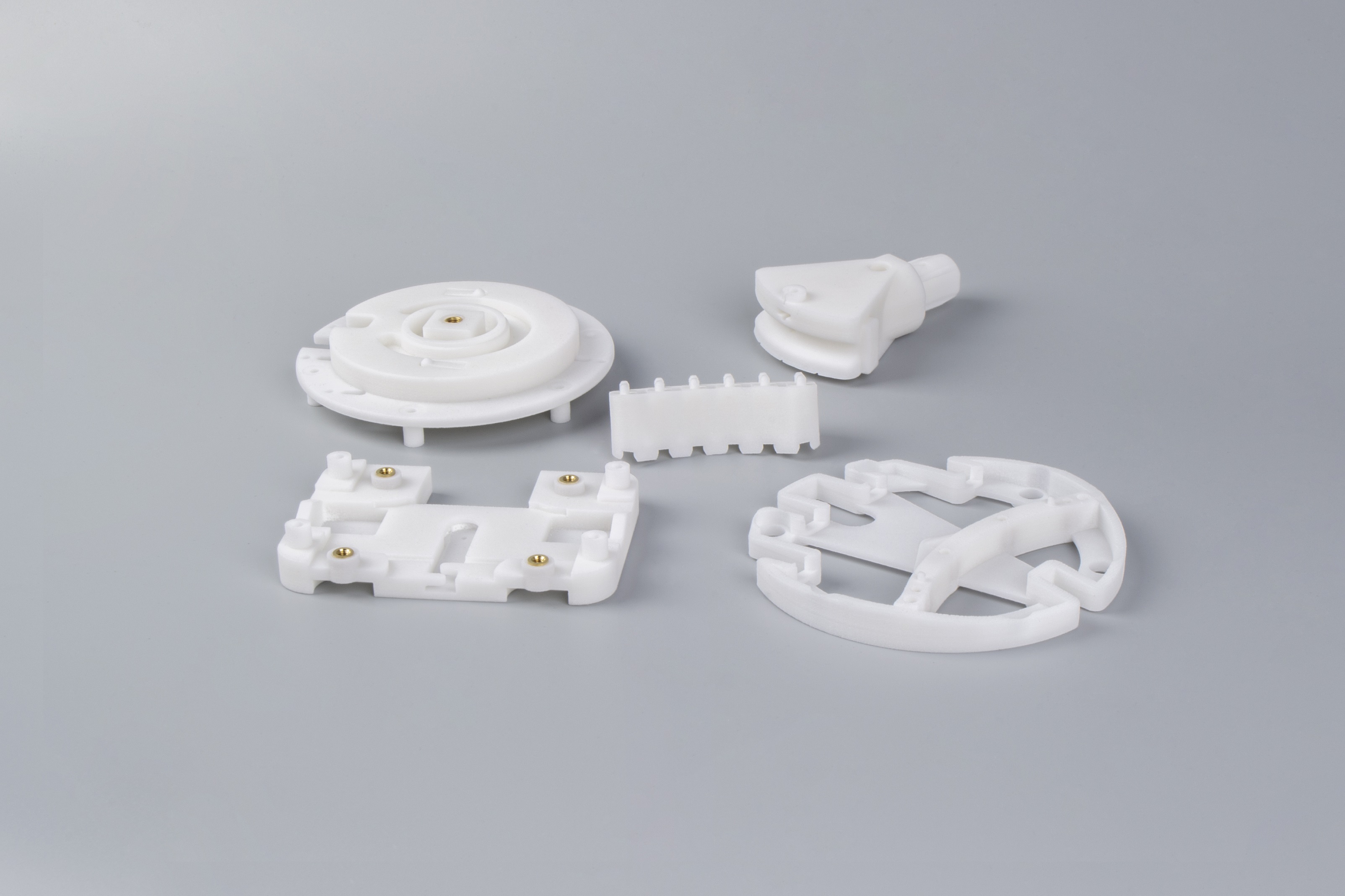
The Importance of Transparency in Design: Building Trust Through Open Communication
In today's fast-paced digital landscape, transparency in design has emerged as a critical factor for success. It not only enhances user experience but also fosters trust between designers and users. But what does transparency in design truly entail? This article delves into the significance of open communication and clarity in the design process.
Understanding Transparency in Design
Transparency in design refers to the practice of being open and clear about the design choices made throughout a project. This includes sharing the rationale behind decisions, the materials used, and the processes involved. When designers communicate openly, they create an environment where users feel informed and valued.
"Transparency in design is not just about aesthetics; it's about building relationships." - Design Expert
Benefits of Transparency in Design
Implementing transparency in design can yield numerous benefits:
Enhanced Trust: When users understand the design process, they are more likely to trust the product.
Improved User Engagement: Open communication encourages users to engage more deeply with the design.
Better Feedback: Transparency invites constructive criticism, leading to improved designs.
Informed Decision-Making: Users can make better choices when they have access to clear information.
How to Achieve Transparency in Design
Achieving transparency in design requires intentional effort. Here are some strategies to consider:
Document your design process and share it with stakeholders.
Use clear and concise language to explain design choices.
Encourage feedback and be open to suggestions.
Utilize visual aids, such as diagrams and prototypes, to illustrate concepts.
Real-World Examples of Transparency in Design
Many companies have embraced transparency in their design processes. For instance, XYZ 3D Printer showcases its design journey through detailed case studies and user testimonials. This approach not only highlights the product's features but also builds a community around shared experiences.
Additionally, brands like ABC Furniture have adopted transparency by providing insights into their sustainable sourcing practices. By openly communicating their commitment to sustainability, they enhance their brand image and foster customer loyalty.
Conclusion: The Future of Design is Transparent
As we move forward, the importance of transparency in design will only continue to grow. By prioritizing open communication and clarity, designers can build lasting relationships with their users. This not only leads to better products but also cultivates a culture of trust and collaboration.
In summary, embracing transparency in design is not merely a trend; it is a fundamental principle that can significantly impact the success of any design project. As designers, we must strive to be transparent, ensuring that our users feel informed, valued, and engaged.