Guest
Guest
Aug 23, 2024
2:02 AM

|
Adjustable Bed Frames
As the global population ages, the demand for senior living facilities continues to rise. These facilities strive to provide a safe, comfortable, and supportive environment for their residents. One crucial element that significantly enhances the quality of life for seniors is the use of adjustable bed frames. This article delves into why adjustable bed frames are essential for senior living facilities and how they contribute to the well-being of elderly residents. 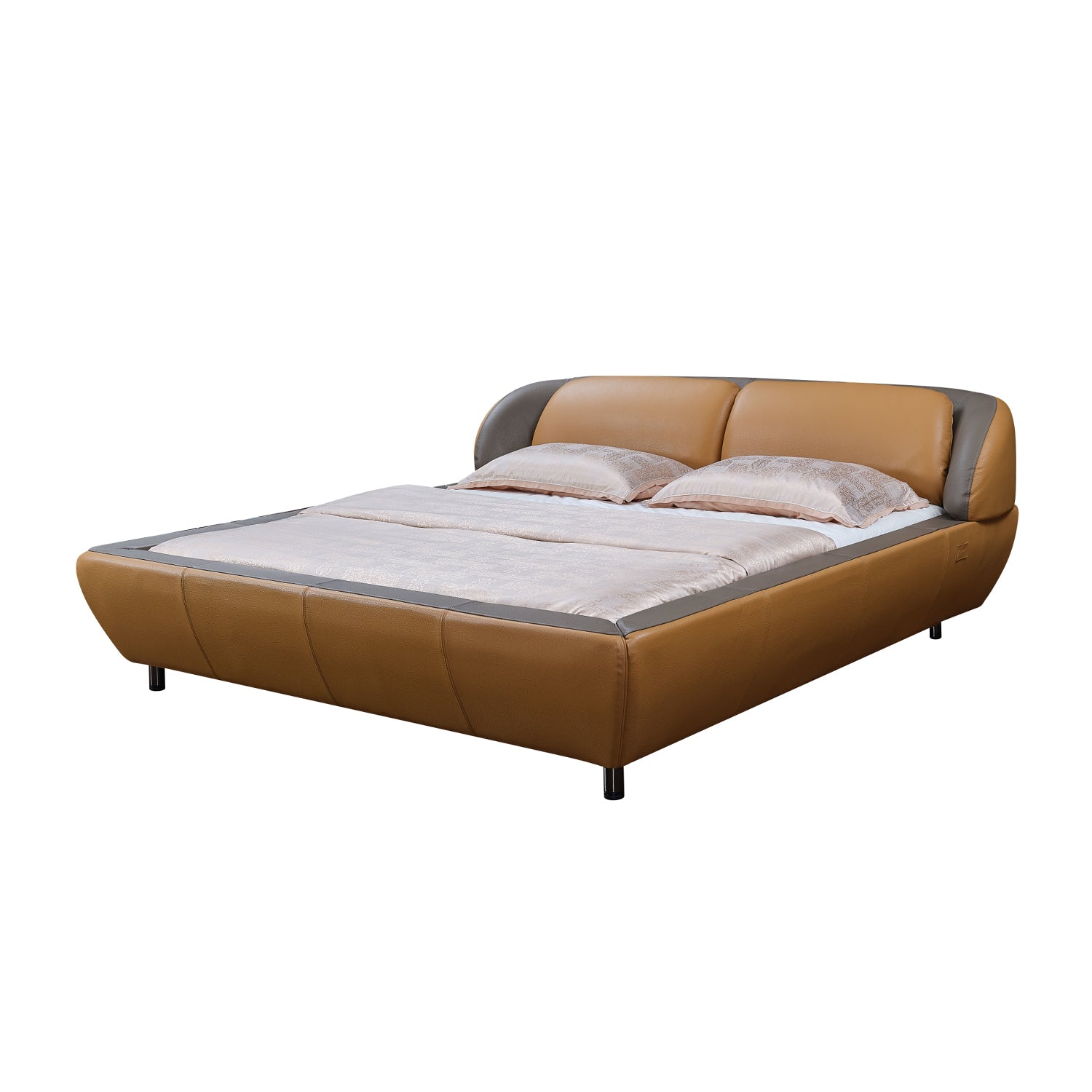
Enhanced Comfort and Customisation
Adjustable bed frames offer unparalleled comfort and customisation, which is particularly beneficial for seniors. These beds allow residents to adjust the head and foot sections to their preferred positions, providing optimal support and reducing discomfort. For instance, elevating the head can alleviate conditions such as acid reflux and sleep apnoea, while raising the legs can improve circulation and reduce swelling. The ability to customise the bed's position ensures that each resident can find their ideal sleeping and resting posture, promoting better sleep quality and overall comfort.
Improved Mobility and Independence
Mobility is a significant concern for many seniors, and adjustable bed frames can play a crucial role in enhancing their independence. By adjusting the bed to a more upright position, residents can easily get in and out of bed without straining their muscles or joints. This feature is particularly beneficial for those with arthritis or other mobility issues. Additionally, adjustable beds can be paired with assistive devices such as bed rails, further supporting residents' independence and reducing the risk of falls.
Health Benefits and Pain Management
Another reason why adjustable bed frames are essential for senior living facilities is their potential to provide various health benefits and aid in pain management. For example, adjusting the bed to a zero-gravity position, where the head and legs are slightly elevated, can help reduce pressure on the spine and alleviate back pain. This position also promotes better blood circulation and can relieve symptoms of conditions such as varicose veins and oedema. Furthermore, adjustable beds can assist in managing chronic pain by allowing residents to find a position that minimises discomfort and supports their specific medical needs.
Facilitating Caregiver Assistance
Adjustable bed frames not only benefit the residents but also make it easier for caregivers to provide assistance. The ability to raise and lower the bed can help caregivers perform tasks such as dressing, bathing, and administering medication more efficiently and safely. This feature reduces the physical strain on caregivers and ensures that residents receive the necessary care without unnecessary discomfort. Additionally, adjustable beds can be equipped with features such as massage functions and built-in lighting, further enhancing the caregiving experience and promoting a more comfortable environment for both residents and staff.
Promoting Mental Well-being
Finally, adjustable bed frames can contribute to the mental well-being of seniors in living facilities. A comfortable and supportive bed can significantly impact a resident's mood and overall quality of life. By providing a personalised sleeping environment, adjustable beds can help reduce stress and anxiety, promote relaxation, and improve overall mental health. Furthermore, the increased independence and mobility offered by these beds can boost residents' confidence and sense of autonomy, leading to a more positive outlook on life.
In conclusion, why adjustable bed frames are essential for senior living facilities becomes evident when considering the numerous benefits they offer. From enhanced comfort and customisation to improved mobility, health benefits, and caregiver assistance, adjustable beds play a vital role in promoting the well-being of elderly residents. By investing in adjustable bed frames, senior living facilities can create a more supportive and comfortable environment, ultimately enhancing the quality of life for their residents. References
|


