Understanding the Potential Health Risks of 3D Printing: What You Need to Know
Have you ever considered the impact of [keyword] on our daily lives 3d printing risks. As the popularity of 3D printing continues to rise, it is essential to understand the potential health risks associated with this innovative technology. While 3D printing offers numerous benefits, including rapid prototyping and customization, it also poses certain hazards that users must be aware of. 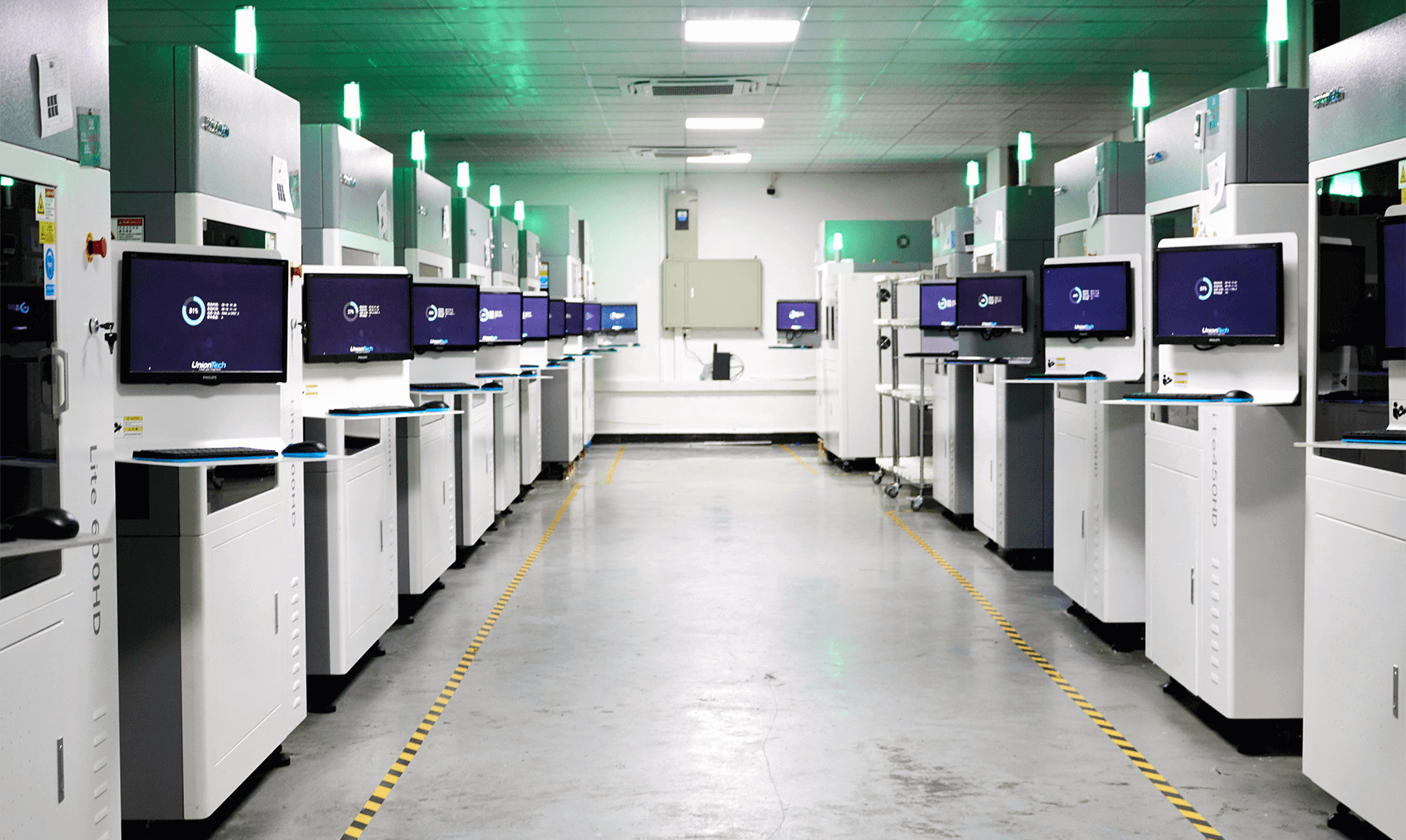
Identifying 3D Printing Risks
One of the primary 3D printing risks involves the emission of ultrafine particles (UFPs) during the printing process. These particles can be inhaled and may lead to respiratory issues. Additionally, the materials used in 3D printing, such as plastics and resins, can release volatile organic compounds (VOCs) that may have harmful effects on health.
"The potential for exposure to harmful substances during 3D printing is a significant concern for both hobbyists and professionals." - Health and Safety Expert
Understanding Material Safety
Different materials used in 3D printing come with varying levels of risk. For instance, PLA (Polylactic Acid) is generally considered safer compared to ABS (Acrylonitrile Butadiene Styrene), which can emit more harmful fumes. When selecting materials, consider the following:
- Choose low-emission materials whenever possible.
- Ensure proper ventilation in your printing area.
- Utilize personal protective equipment (PPE) such as masks and gloves.
Mitigating Health Risks
To effectively mitigate the 3D printing risks, users should adopt several best practices. First, maintaining adequate ventilation is crucial. This can be achieved by using fume extraction systems or ensuring that the printing area is well-aerated. Furthermore, regular maintenance of the printer can help minimize the release of harmful particles.
Additionally, consider investing in high-quality printers that are designed to reduce emissions. For example, the XYZ 3D Printer is known for its advanced filtration system that captures harmful particles before they can enter the air.
Staying Informed and Safe
As a user of 3D printing technology, staying informed about the latest research and safety guidelines is vital. Regularly consult resources from reputable organizations and consider participating in workshops or training sessions focused on 3D printing safety.
For a deeper understanding of the health implications, you can watch this informative video: Understanding 3D Printing Health Risks.
Conclusion
In conclusion, while 3D printing presents exciting opportunities, it is essential to recognize and address the associated health risks. By understanding the materials used, implementing safety measures, and staying informed, users can enjoy the benefits of 3D printing while minimizing potential hazards. Remember, your health and safety should always be a priority. References
|



