The Top 5 Common 3D Printing Emergencies and How to Handle Them
3D printing has revolutionized the way we create and manufacture objects, but it is not without its challenges. Understanding the common 3D printing emergencies can help you navigate potential pitfalls and ensure a smoother printing experience. In this article, we will explore the top five emergencies you may encounter and provide practical solutions to handle them effectively. 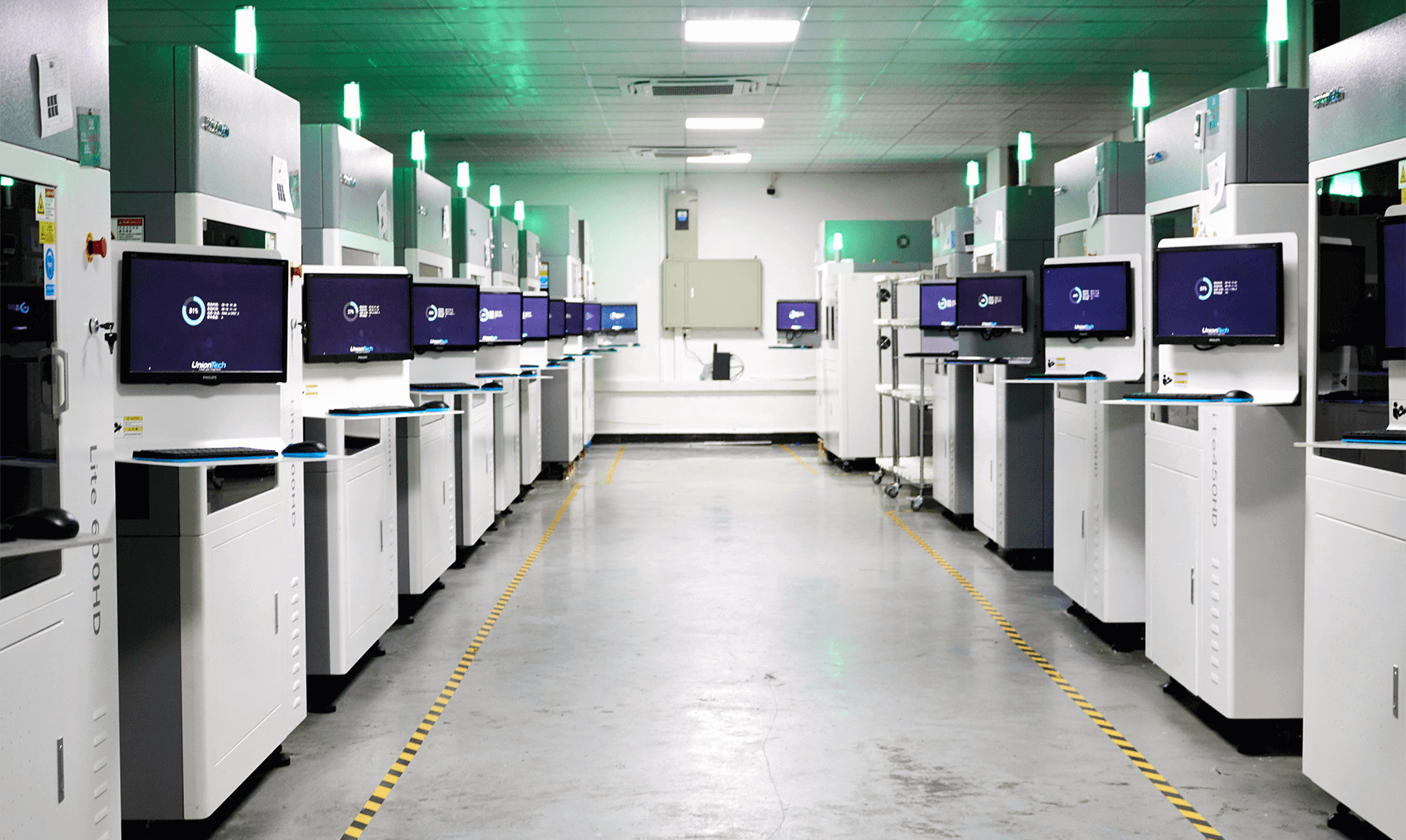
1. Filament Jam
One of the most frequent 3D printing emergencies is a filament jam. This issue can occur due to various reasons, such as a clogged nozzle or improper filament loading. Have you ever wondered how to identify a filament jam? Signs include unusual noises from the printer or inconsistent extrusion.
- Check the nozzle for clogs.
- Ensure the filament is loaded correctly.
- Clean the extruder gears if necessary.
2. Print Warping
Print warping is another common issue that can ruin your 3D prints. This occurs when the edges of a print lift off the build plate, leading to a distorted final product. To mitigate this, consider the following:
- Use a heated bed to maintain temperature.
- Apply adhesive solutions like glue sticks or hairspray.
- Ensure proper bed leveling before starting a print.
3. Layer Separation
Layer separation, or delamination, happens when the layers of a print do not adhere properly to one another. This can be frustrating, especially for intricate designs. What can you do to prevent this 3D printing emergency? Here are some tips:
- Adjust the printing temperature.
- Increase the print speed for better adhesion.
- Consider using a different filament type that offers better layer bonding.
4. Overheating
Overheating can lead to a variety of issues, including melted components and failed prints. If your printer is running too hot, it may be time to take action. How can you address this 3D printing emergency? Here are some strategies:
- Monitor the ambient temperature of your printing environment.
- Ensure proper ventilation around the printer.
- Check the cooling fans for functionality.
5. Electrical Failures
Electrical failures can be daunting and may halt your printing process entirely. These emergencies can stem from faulty wiring or power surges. To minimize risks, consider the following precautions:
- Inspect the wiring regularly for signs of wear.
- Use surge protectors to safeguard your printer.
- Keep the printer in a dry, stable environment to avoid moisture-related issues.
In conclusion, being aware of these common 3D printing emergencies and knowing how to handle them can significantly improve your printing experience. For more information on 3D printing safety and best practices, visit this link.
|



